The field, on a phone
Scouts log each harvest's weight and grade on a mobile form. It reaches the pack-house the moment it's saved. Because both read the same numbers, the field and the pack-house stopped arguing about what arrived.
Farming and fresh produce · UAE
Harvests are logged on a phone in the field. From that moment the pack-house, the stores and the trucks all work from the same record in Beezr, so every box traces back to its field and its harvest team.
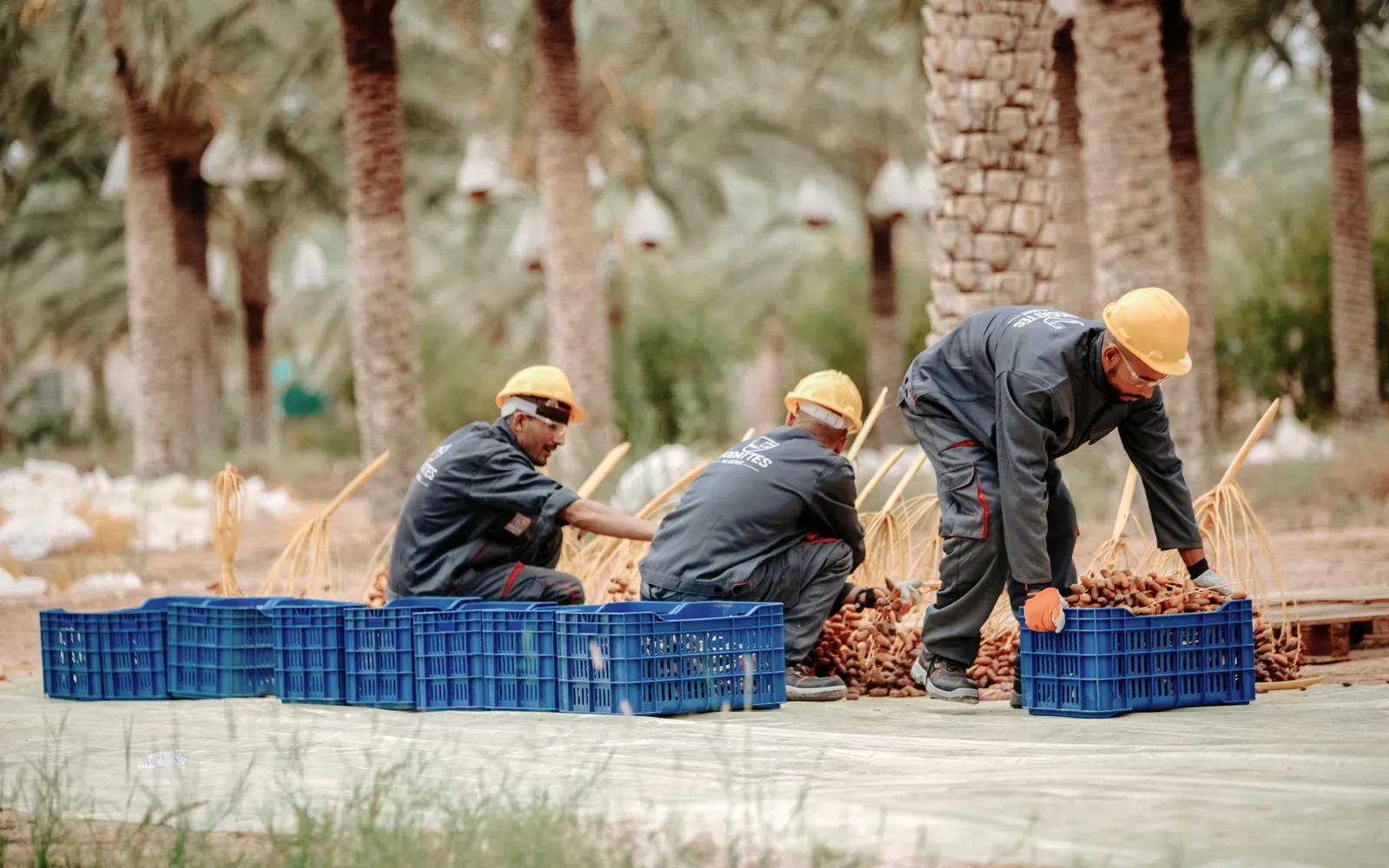
Every morning, the harvest was written on paper in the field. By the time the tallies reached the pack-house, the trucks were already unloading, and the packers found out what had arrived by opening the crates.
Trim loss turned up in a spreadsheet at month-end, weeks after the crop that caused it had gone through the line. Each store kept its own stock sheet. At the dock, drivers waited while someone counted pallets.
The farm didn't lack data. It had it on paper, in five places, a day late.
Four parts, built in the order the produce moves.
Scouts log each harvest's weight and grade on a mobile form. It reaches the pack-house the moment it's saved. Because both read the same numbers, the field and the pack-house stopped arguing about what arrived.
The pack-house records trim loss against the crop it came from. Managers see waste by crop the same day, while there's still time to act. Problem crops are flagged before losses grow, and agronomy adjusts in the field.
Additions, transfers, withdrawals and inspections are approved and recorded where they happen. Produce moving between sites is tracked step by step, so every load carries its history back to the field.
A shipment creates its own manifest. Trucks and drivers are assigned by rule, and every vehicle keeps its maintenance and fuel history. Breakdowns are records, not notes on a clipboard.
Harvest crews log the first crates from the field, with weight and grade.
The pack-house sees what's coming and plans the line around it.
Trim loss on one crop runs high. The manager sees it before lunch.
A transfer leaves for the second site, its history attached.
The shipment's manifest is ready, and the truck is already assigned.
Harvest, waste, stock and deliveries for the day, on one screen.
Every box traces back to its field and its harvest team.
Waste is seen the same day, not at month-end.
One stock figure, across every store.
The field and the pack-house read the same numbers.
Customers get what the manifest says, on time.
Drivers leave on a manifest, not after a headcount at the dock.
Field data capture · Inventory and stock movements · Waste and loss tracking · Dispatch, fleet and drivers · Batch tracking and traceability
If your data is born on paper, start where it's born. The rest of the chain attaches to it.