Shopify sends the order
The store sends each order to Beezr by webhook. We map it to the production schedule and recipe configuration. Customer profiles, subscriptions and preferences are captured with the order.
Food manufacturing · UAE
A Shopify order reaches production in minutes now, matched to its recipe in Beezr. Materials come off stock as the kitchen works, and low stock opens the next purchase.
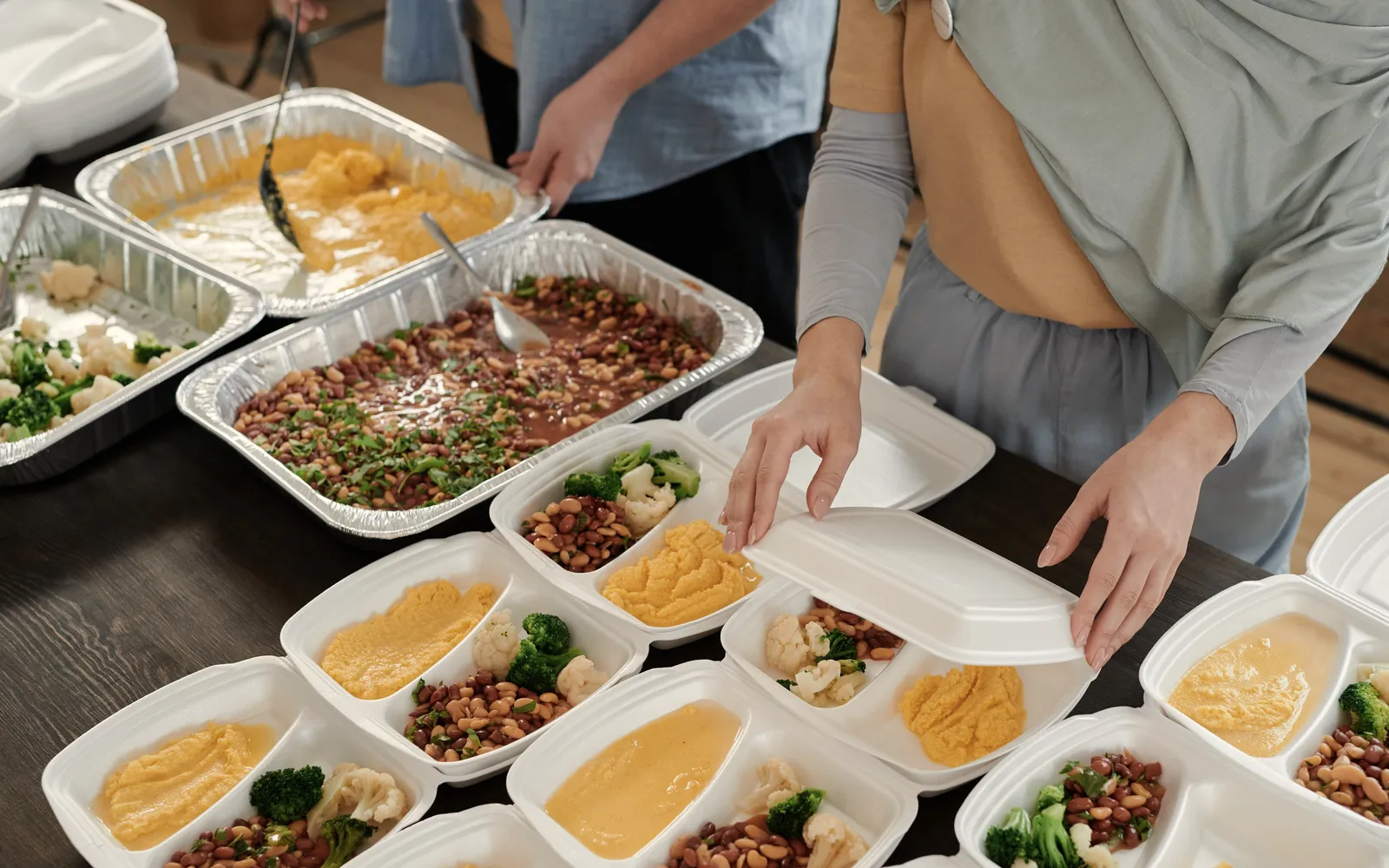
The storefront took orders, but the production floor needed manual coordination. Recipes carried raw-material calculations that spreadsheets could not keep current. Bundles made those calculations harder, because each order could contain several products.
Waste and equipment downtime were not consistently recorded. Purchasing reacted when materials ran low. Business partner orders and customer support added another set of manual handovers, alongside the consumer orders already coming through Shopify.
The sale was recorded. The work behind it was still being coordinated.
We followed the order from the storefront into the work behind it.
The store sends each order to Beezr by webhook. We map it to the production schedule and recipe configuration. Customer profiles, subscriptions and preferences are captured with the order.
Each product carries its recipe, and production deducts the raw materials. Bundles are broken into their component recipes for the calculation. Waste records hold both the reason and the quantity lost.
Raw materials and packaging have live stock records. Low-stock alerts trigger procurement workflows before purchasing becomes another manual handover. The procurement team tracks vendor orders and their fulfilment cycles in Beezr.
The floor logs incidents and equipment downtime against the machine. Support handles order issues through internal ticket workflows. Machine records keep maintenance actions; support records keep SLAs and resolution times.
The order now reaches the work it creates.
Shopify sends an order, and Beezr captures its customer details.
The order reaches its production schedule with the recipe attached.
Work deducts raw materials, including the recipes inside a bundle.
Waste gets a reason; machine downtime gets a service record.
A low-stock alert starts procurement, with the vendor order tracked.
The team resolves an order issue and records its response time.
Production and support can work from recorded facts.
Order to production takes minutes, not hours.
Material consumption follows the recipe as production happens.
Waste has a recorded cause and quantity.
Business partner profiles, orders and ledger activity sit together.
Each machine keeps its downtime and maintenance history.
The storefront and the floor are connected.
E-commerce order intake · Order to production · Inventory and stock movements · Waste tracking · Maintenance and downtime · Purchase orders · B2B accounts and orders · Case management
We built around the order, then followed its work.
If you copy Shopify orders into production, start with that handover. We can work from the recipes your team already uses.